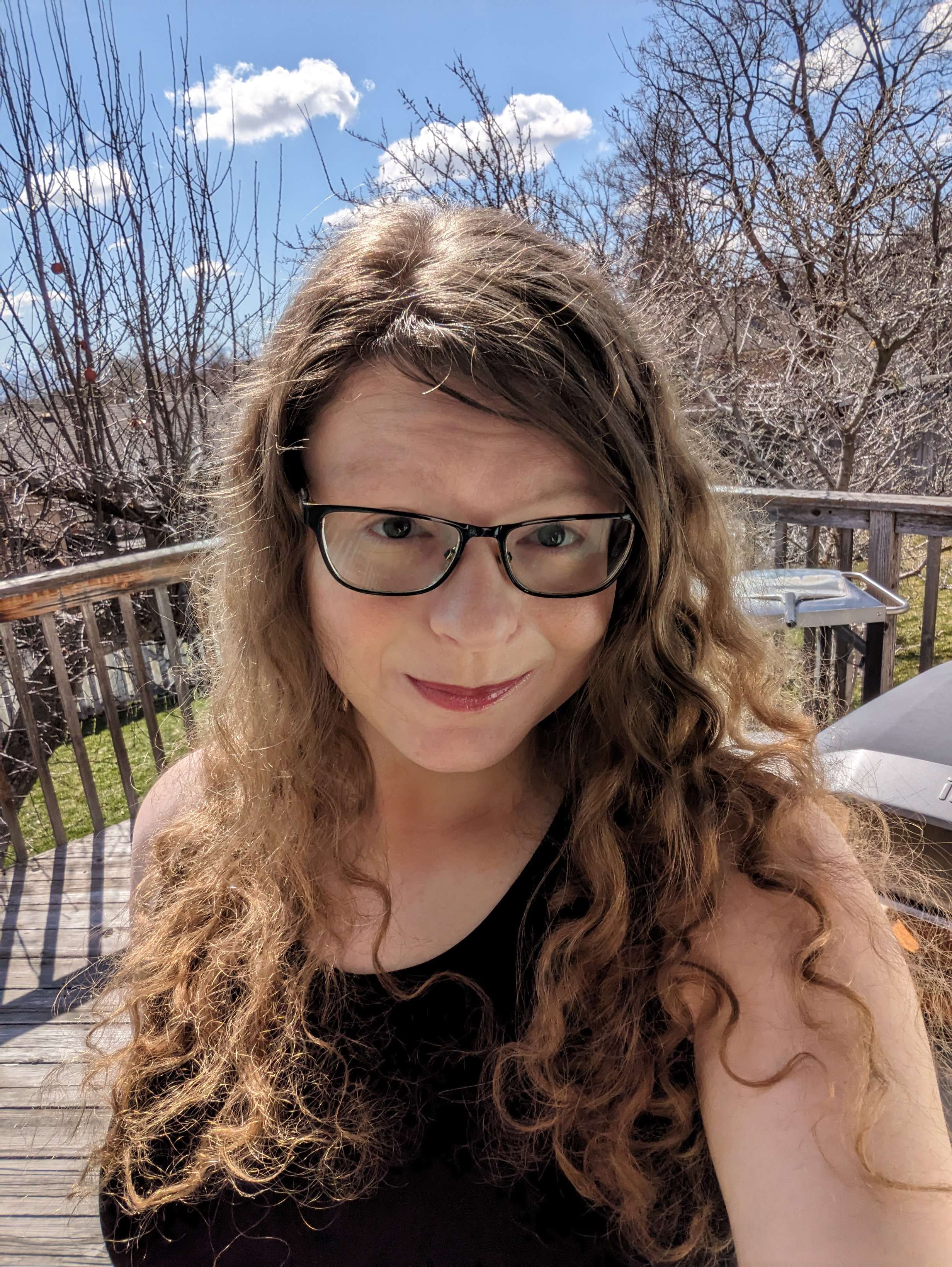

About Me
I graduated Cum Laude in Computer Science at the University of Utah, after getting a full ride scholarship due to strong academic performance in high school. Over summer, I interned at a local genetics lab, Sorenson Genomics, and got a job there briefly after I graduated.
Why the Gap?
You'll notice the long gap in my resume, near the end of my education, I started suffering from Conversion Disorder. The symptoms of this disorder vary wildly, but I suffered from paralysis and depression. It was debilitating, but my symptoms are now under control. While this led to a break in my working life, I maintained my programming skills and developed great resilience.
Skills
Languages
- Javascript
- Typescript
- C#
- Java
- C/C++
- Python
Libraries
- ASP.NET MVC
- SQL
- D3.js
- Angular
- Bootstrap
Tools
- Git
- Mercurial
- SVN
- Visual Studio
- Visual Studio Code
- IntelliJ IDEA
Work Projects

REST API
I wrote a pair of C# servers that are used to ferry data inside the organization, encrypting it with AES. On one end was a REST service that connected to a Wordpress app, and on the other, one of our internal servers.
ASP.NET MVC
I contributed code to two different ASP.NET MVC 5 applications, working with a team for one and a pair for the other. Design patterns used include Dependency Injection, CQRS, factories, and of course MVC. This also entailed writing some SQL queries to synchronize parts of the database between the two projects.

IntelliJ IDEA Plugin
I wrote a plugin for IntelliJ IDEA to support syntax highlighting for a unique language used in-house. This entailed parsing the language and picking out different parts of the syntax. The language in question was used for the Laboratory Information Management System (LIMS), and was used by most of my coworkers.
Class Projects
Machine Learning
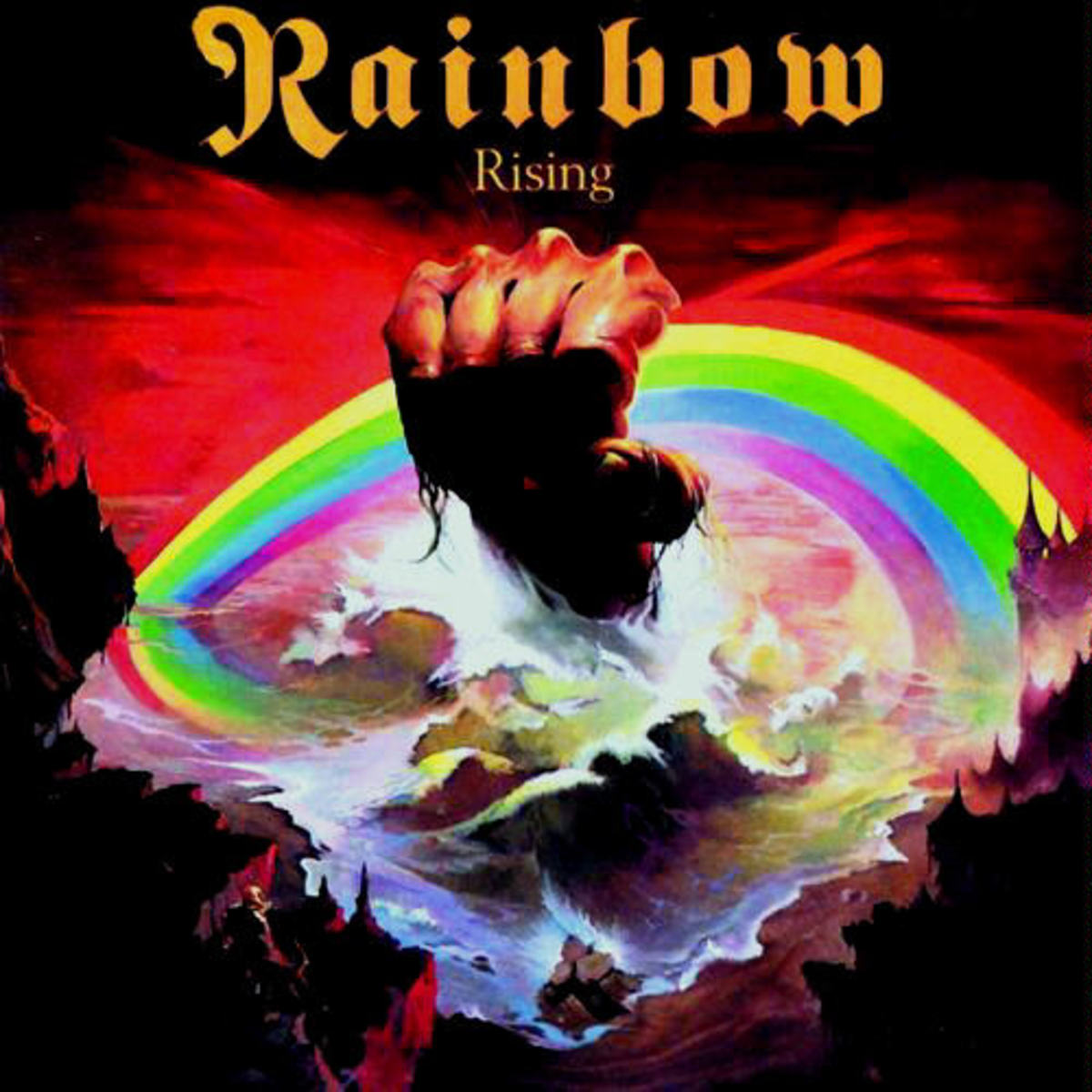
For the final project in my machine learning class, I decided to see if an algorithm could identify which heavy metal subgenre an album is, using the cover alone. First, I built a web crawler in Ruby, scraping a website of metal albums for art, title, and the listed subgenres, taking care to practice proper web crawler etiquette, limiting requests as it's a small fan-managed website. From there, I used OpenCV, a computer vision library in Java, to extract features from the images similar to the Bag of Words model for text.
Finally, I had data with which to run machine learning, so I looked at the literature for appropriate algorithms, as an album can be multiple subgenres, and each individual subgenre is a small fraction. The literature mentioned a variant on support vector machines, and so I implemented it, recording the predictive results on a reserved chunk of data.
Data Visualization
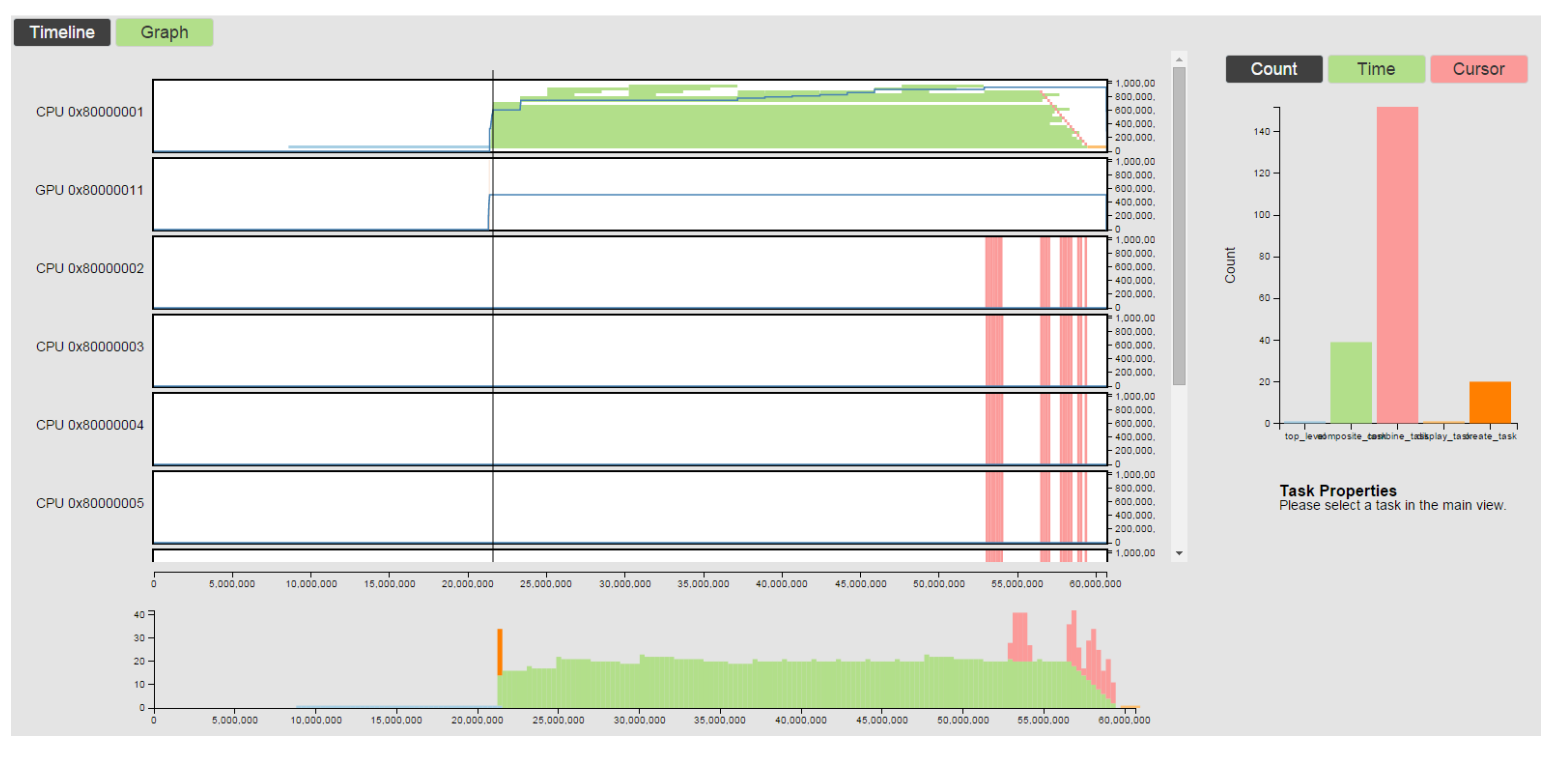
Working in a team in university, we crafted this visualization in D3.js, with a webserver written in Python. The Stanford Legion Programming system (https://legion.stanford.edu) is a programming language designed for parallel execution, which makes profiling any program somewhat difficult. This visualization takes profiling data output by the programming system, then displays the results in a more digestible visualization, so developers can diagnose issues.
Network Security
For my Network Security class, in a group we made an app where you exchange security keys by scanning QR codes in person and then can send and receive messages securely. Writing in Swift as we decided on an iOS app, I implemented the heart of the network security side of the app, converting keys to QR codes and back again, then using sockets and AES encryption to encrypt and decrypt the messages.
Contact Me
(435) 557-6107